Outcome:
● First class grade
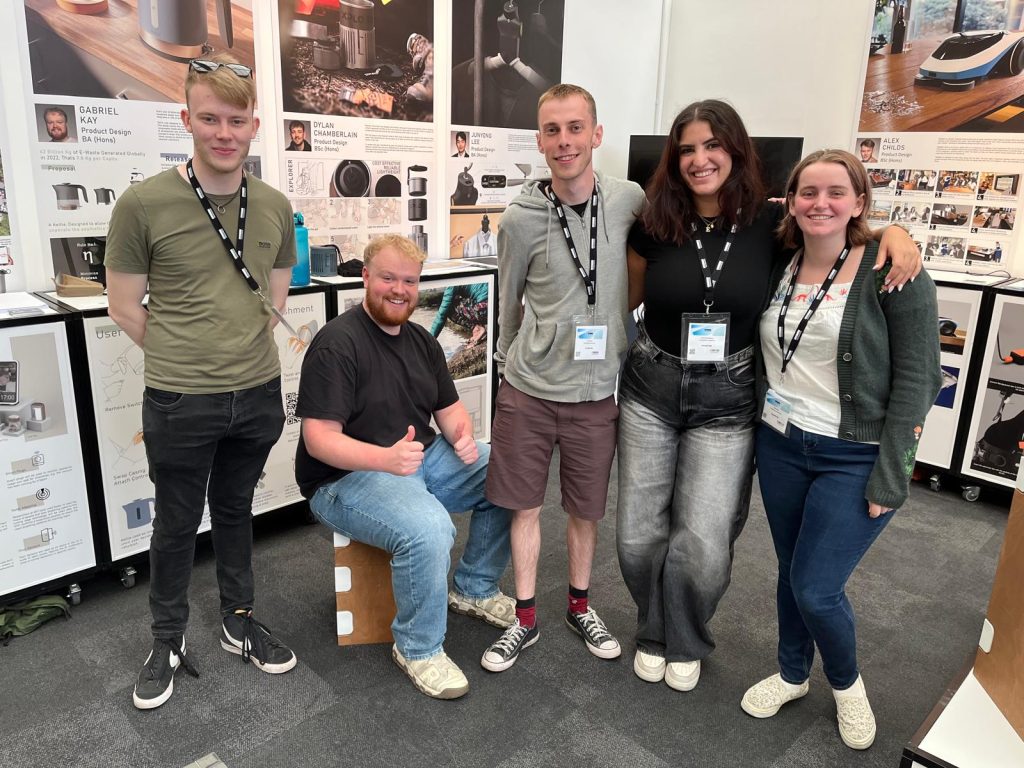
● Displayed at New Designers 2024
● Winner – UK Petainer Holdings Ltd. Award
● Featured on De Montfort University webiste
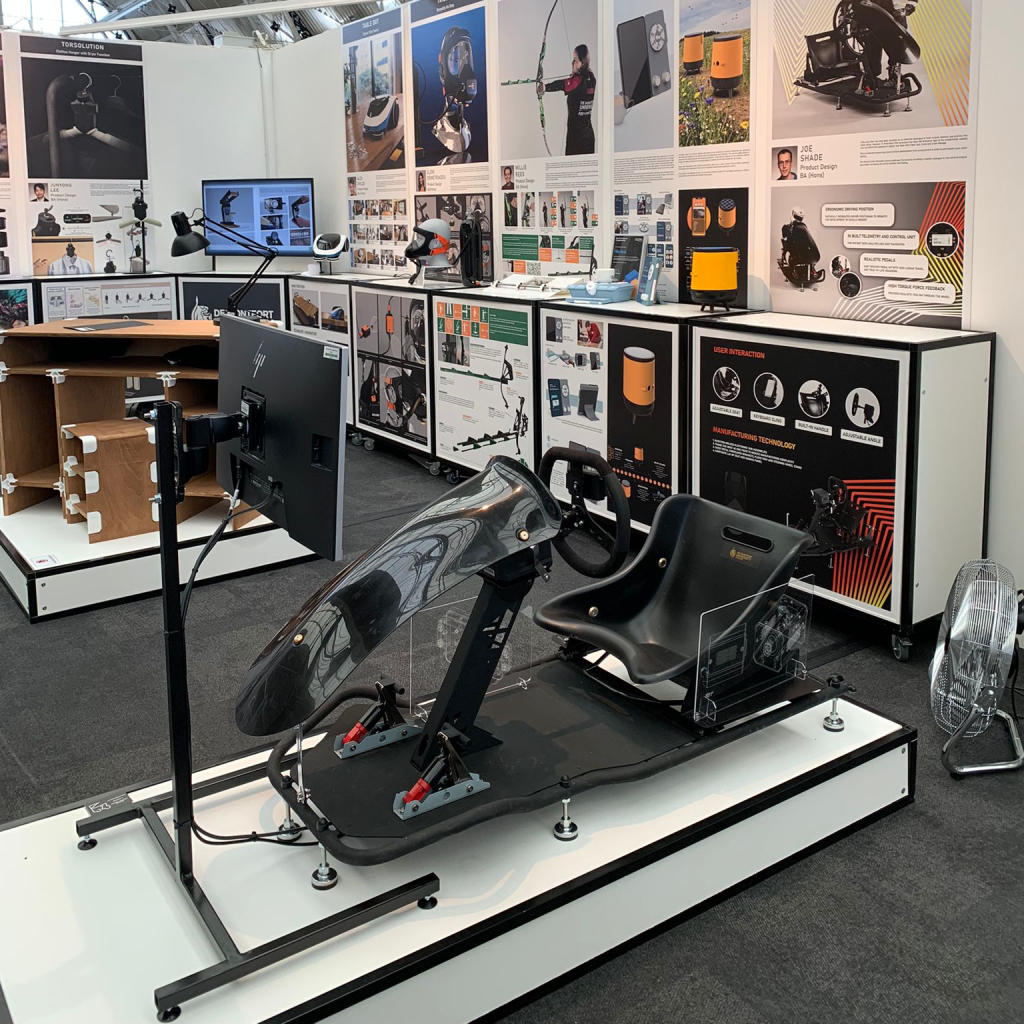
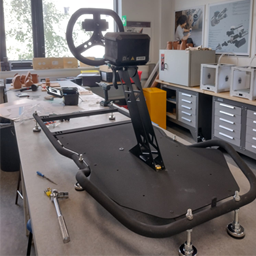
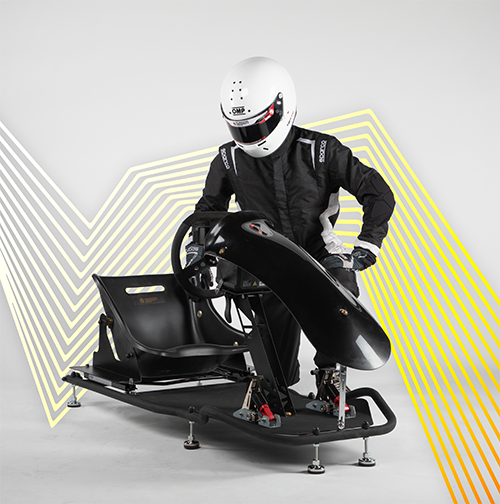
Little and often has long been heralded as an effective technique to build muscle memory and practice fine motor skills. However, in motorsports this technique has been the exclusive right of the exceptionally wealthy. The Velocity Kart Simulator aims to address this issue by providing a realistic analogue to real world driving by accurately recreating the driver position and feeling.
The Velocity Kart Simulator was the most ambitious project of my undergraduate degree and my first experience delivering a live commercial brief, designed for and supported in part by KartSim Ltd.
At the time, KartSim’s simulators were built by upcycling used race chassis. While effective, this approach introduced significant variability into the manufacturing process. Each production batch depended on whichever kart frames were available, resulting in inconsistencies between units. Additionally, concerns around bent frames and potential crash damage presented latent quality and reliability risks.
The objective was to simplify and standardise the manufacturing process while preserving the authentic driver position, identity, and handling feel of the original race kart platform.
This required re-engineering the chassis architecture to:
Reduce part count
Eliminate frame variability
Improve repeatability and quality control
Maintain ergonomic and experiential fidelity
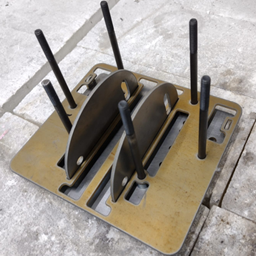
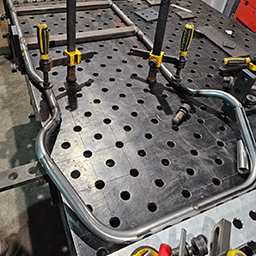
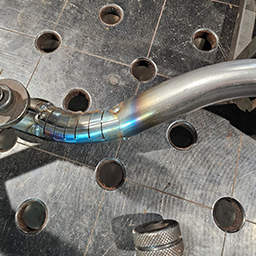
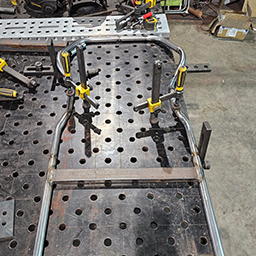
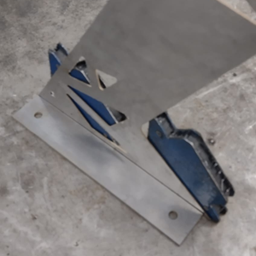
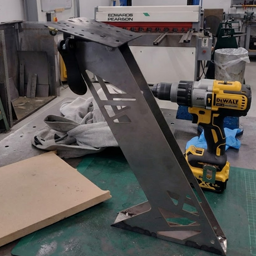
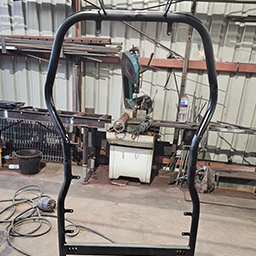
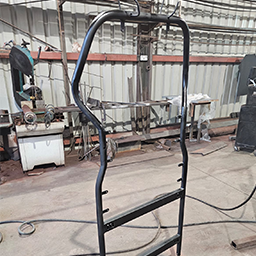
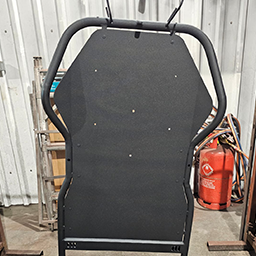
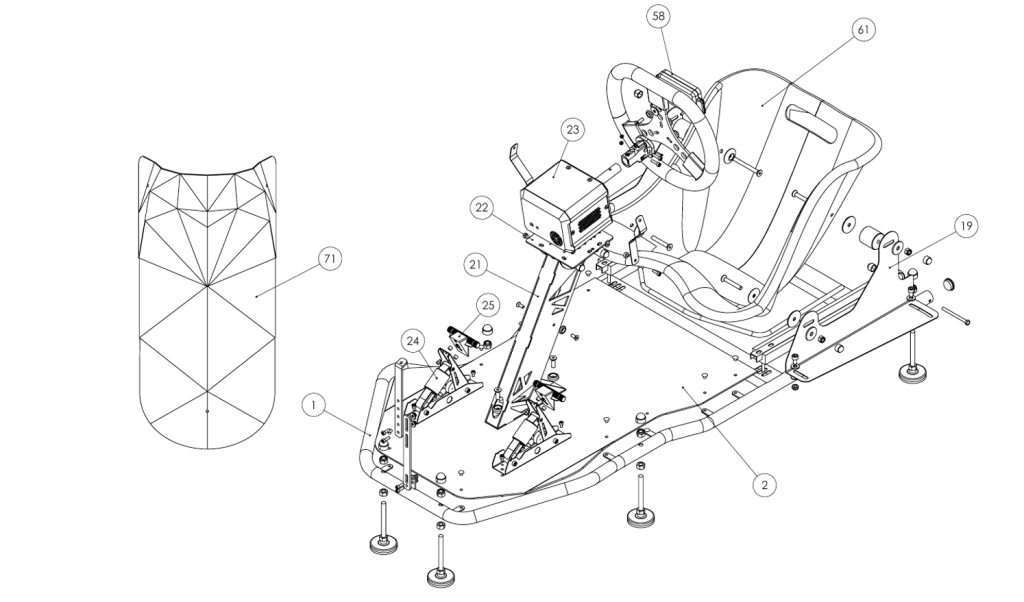
The frame was redesigned as a single CNC-bent structure, significantly reducing fabrication operations and improving dimensional consistency. By consolidating multiple welded components into one primary bent form, the manufacturing workflow was streamlined and assembly time reduced.
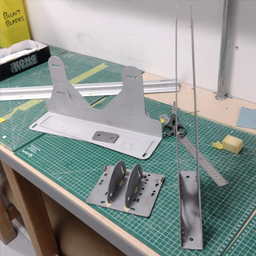
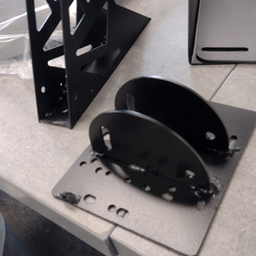
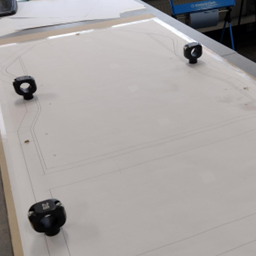
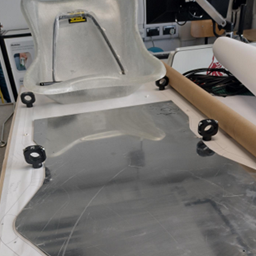
All sheet metal components were manufactured in-house using university facilities. However, due to equipment limitations, certain elements required specialist fabrication:
The main tubular frame was manufactured by J&K Fabrication, who provided the heavy-section CNC tube bending capability required.
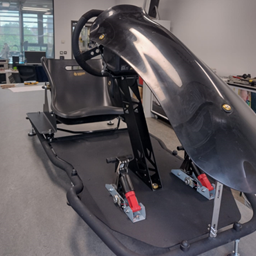
Velocity Kart Simulator at New Designers
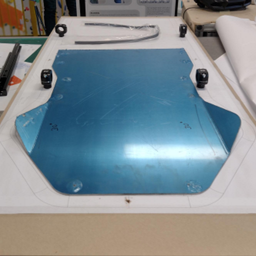
The floor tray bending was completed by Steelteq Sheet Metal Work.
This collaborative production approach ensured the design intent was maintained while meeting structural and manufacturing constraints.
The project achieved a First Class grade and was selected for exhibition at New Designers 2024. It also received the UK Petainer Holdings Ltd Award in recognition of its technical execution and commercial relevance.